
The Right Engineering College Can Shape Your Future
What if the college you choose today becomes the foundation of your career tomorrow?
For many Class 12 students, selecting the right engineering college can feel overwhelming.
With so many options promoting placements, infrastructure, rankings, and courses, knowing what truly matters is not easy.
A good college should offer more than a degree.
It should help students gain technical knowledge, practical skills, industry exposure, confidence, and career guidance.
Finding the Best Engineering College in Delhi NCR means looking beyond admission and evaluating faculty, laboratories, internships, campus activities, learning opportunities, and placement support that can shape a student’s four-year journey and future career.
What Should Students Look for in an Engineering College?
A good engineering college should offer more than classroom lectures and examinations.
Students should look for an institution that provides practical learning, technical projects, internships, industry exposure, skill development, teamwork, and career guidance.
These opportunities help students connect academic concepts with real-world applications.
For example, working on projects can improve problem-solving skills, while internships can provide an understanding of professional work environments.
Industry sessions and competitions can further develop technical knowledge, communication, and confidence.
Therefore, students should evaluate an engineering college based on its overall learning ecosystem, not only its degree, fees, infrastructure, or placement claims.
B.Tech Courses That Can Shape Your Career
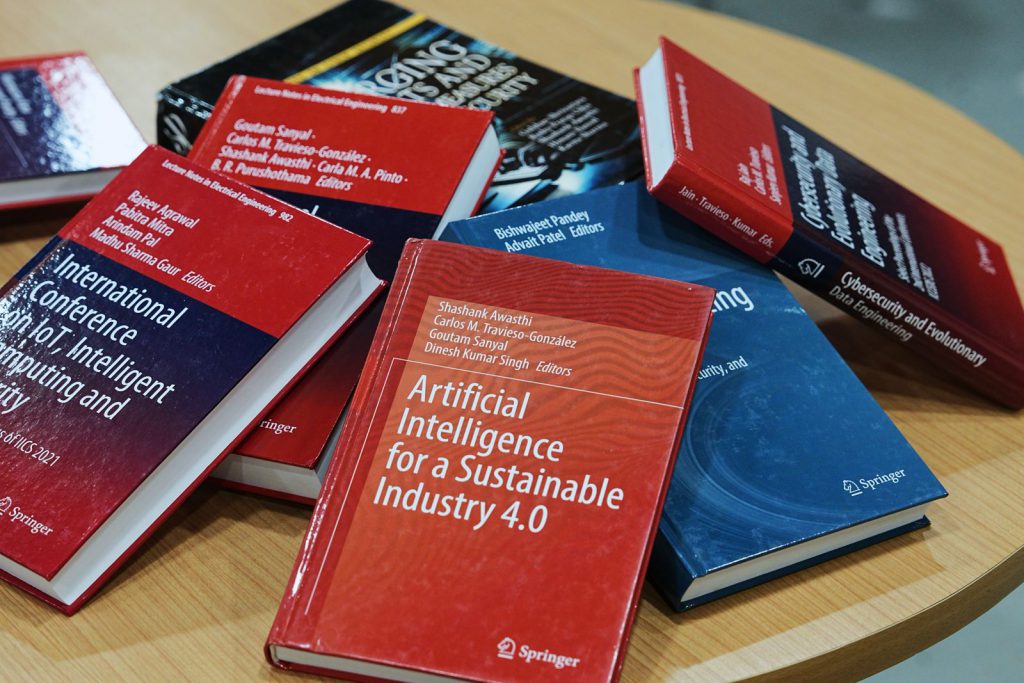
For many students, the first important decision is selecting the right engineering specialisation.
A student who enjoys programming may be interested in Computer Science and Engineering.
Someone fascinated by intelligent technologies may consider Artificial Intelligence and Machine Learning.
Another student may be interested in working with data, electronics, communication systems, or emerging technologies.
1.Computer Science and Engineering
Computer Science and Engineering continues to attract students interested in software, programming, algorithms, databases, application development, and technology.
Students can build foundations in programming and computer systems before developing specialised skills through projects, internships, and additional learning.
2. Artificial Intelligence and Machine Learning
AI and ML have become important areas across industries.
Students studying these areas can develop an understanding of machine learning, intelligent systems, automation, data-driven applications, and related technologies.
Because the field continues to evolve, students should also develop strong mathematical, programming, and problem-solving foundations.
3. Data Science
Data Science combines areas such as statistics, programming, data analysis, and machine learning.
Students interested in understanding patterns in large datasets can explore career paths connected with analytics, business intelligence, data analysis, and technology.
4. Electronics and Communication Engineering
ECE can appeal to students interested in electronics, communication systems, embedded technologies, hardware, and related applications.
The programme can also provide a foundation for students who later want to work across hardware and software-oriented technology domains.
The important point is simple: students should select a specialisation based on their interests, strengths, and career goals rather than following a trend blindly.
The Campus Is More Than Buildings
Walk into an engineering campus during a busy academic day and you may see much more than classrooms.
Students working in laboratories, discussing a project, preparing for a technical competition, attending a workshop, practising a presentation, or participating in a student club are all part of the learning experience.
A good campus environment can encourage students to learn beyond the syllabus.
- Engineering laboratories
- Computer facilities
- Libraries
- Innovation and project spaces
- Seminar halls
- Sports facilities
- Technical clubs
- Student societies
- Activity spaces
But infrastructure should not be judged only by appearance.
Students should ask a more useful question:
“How are these facilities actually used for student learning?”
A modern laboratory is valuable when students regularly use it for experiments, projects, research, and practical learning.
From Classroom to Real World: Why Practical Learning Matters
Practical learning helps engineering students transform classroom knowledge into valuable real-world skills.
- Project-Based Learning: Students apply classroom ideas to real projects, building problem-solving skills and practical confidence.
- Laboratory Sessions: Lab work helps students test ideas, use tools, perform experiments, and understand concepts better.
- Hackathons: Hackathons help students solve real problems while improving coding, teamwork, creativity, and decision-making skills.
- Technical Competitions: Competitions encourage students to use technical skills, solve challenges, and build confidence through practice.
- Workshops and Certifications: Workshops teach new skills, while certifications help students prove their knowledge and improve career readiness.
- Internships and Live Projects: Internships and live projects give students workplace exposure and help them apply engineering knowledge.
These experiences build confidence, improve skills, and prepare students for professional engineering careers.
Industry Exposure: Building the Bridge to the Corporate World
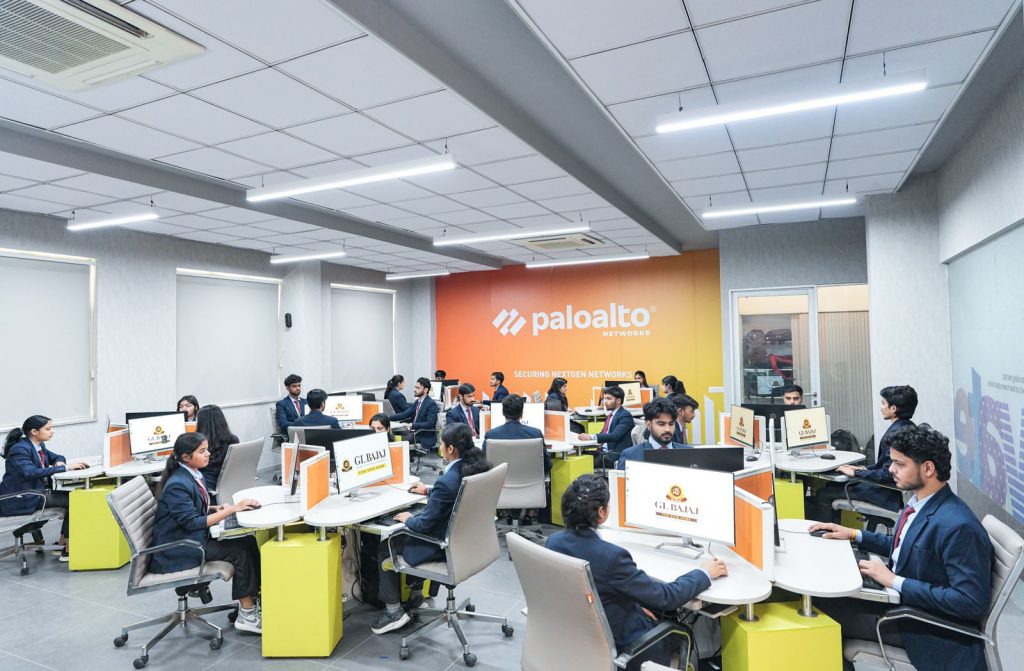
Students may learn engineering concepts in class, but industry exposure shows how professionals use them.
Guest lectures, expert sessions, industry visits, workshops, internships, corporate training, and academic partnerships can help students understand real workplace needs.
They can learn about current technology trends, communication, problem-solving, workplace culture, career roles, and new skills.
These interactions also allow students to ask practical questions.
However, students should check what an industry collaboration offers, such as internships, projects, training, certifications, workshops, or expert sessions, instead of relying only on its name.
Placement Opportunities: Look Beyond the Highest Package
Placement is understandably one of the most important considerations for engineering aspirants and their parents.
But a single highest salary figure does not tell the complete story.
When evaluating placement performance, students should look at the broader picture.
- Recruiters participating in placement drives
- Roles offered to students
- Internship opportunities
- Placement preparation
- Technical interview training
- Aptitude preparation
- Communication and soft-skill development
- Placement process
- Average or median salary, where officially available
- Placement reports and other verifiable information
For example, a student interested in software development should understand whether companies visiting the campus recruit for relevant technology roles.
Similarly, students interested in other engineering domains should examine whether the recruitment opportunities align with their career interests.
Trustworthy placement information should always be checked through official and dated sources wherever possible.
Faculty: The People Behind the Learning Experience
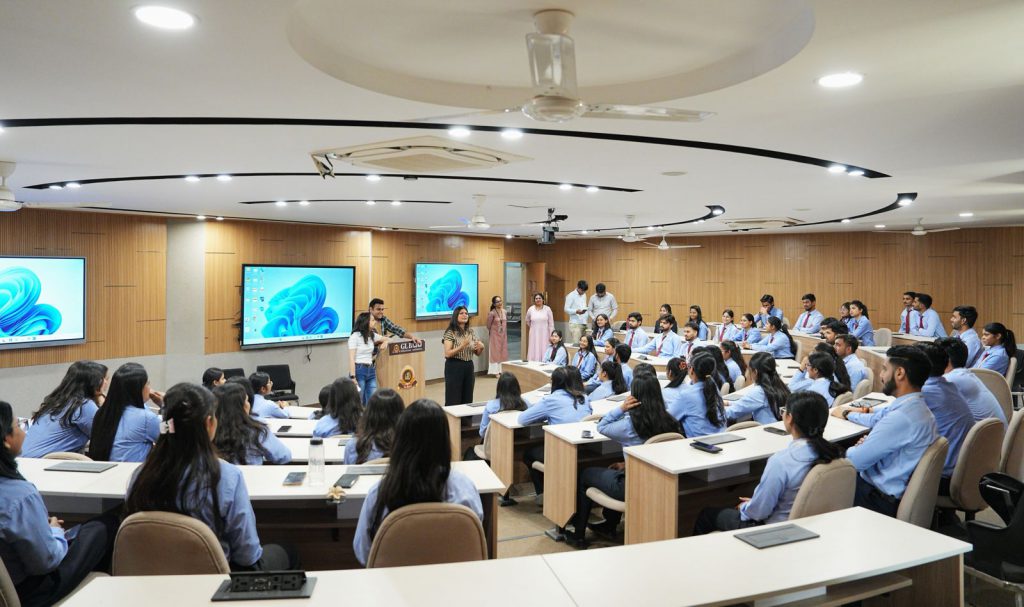
A college may have modern infrastructure, but faculty members shape the daily learning experience.
Supportive teachers can help students understand difficult concepts, improve project ideas, find useful resources, and build confidence.
When evaluating an engineering college, students should consider faculty qualifications, teaching experience, industry exposure, research work, mentorship, project guidance, and student interaction.
Good mentorship is not about giving every answer.
It is about guiding students to think clearly, solve problems, and learn independently.
Strong faculty support can make the engineering journey more focused, practical, and rewarding.
What Should Students Check Before Selecting a College?
Before selecting an engineering college, students should compare key factors that can shape their academic experience, skills, and career growth.
| Factor | Key Consideration | Student Benefit |
|---|---|---|
| Courses | Curriculum and specialisations | Focused academic learning |
| Faculty | Qualifications and experience | Better academic guidance |
| Infrastructure | Labs, library, and facilities | Better practical exposure |
| Practical Learning | Projects, labs, and competitions | Stronger technical skills |
| Industry Exposure | Expert sessions and training | Better industry awareness |
| Internships | Internship opportunities and guidance | Valuable workplace experience |
| Placements | Recruiters and career support | Better career preparation |
| Campus Life | Clubs and student activities | Improved soft skills |
| Fees | Tuition fees and scholarships | Better financial planning |
| Location | Connectivity and accessibility | Convenient daily travel |
| Student Support | Mentorship and academic guidance | Personalised student assistance |
Comparing these factors helps students make a practical and informed college decision.
Why Delhi NCR Can Be a Strategic Location for Engineering Students

Delhi NCR offers an educational and professional ecosystem that can be useful for students pursuing engineering.
The region provides access to corporate offices, technology companies, startups, professional events, industry interactions, and a diverse employment environment.
For students, this can create opportunities to understand how classroom concepts connect with professional applications.
The location itself, however, should not be the only reason for selecting a college.
A nearby college with limited learning opportunities may not necessarily be better than an institution that provides stronger academic and career support.
The right approach is to consider location as one factor within the larger college experience.
The Right College Depends on the Right Student
There is no universal definition of the perfect engineering college.
A student interested in research may have different priorities from someone focused on software development.
Similarly, a student interested in entrepreneurship may value innovation facilities and startup exposure, while another student may give greater importance to internships and placement preparation.
Before making a decision, students should ask:
What do I want from my four years of engineering?
The answer can help determine which factors deserve the most attention.
Consider:
- Preferred engineering specialisation
- Career interests
- Academic strengths
- Budget
- Location
- Learning preferences
- Internship goals
- Placement expectations
- Interest in research or entrepreneurship
This personalised approach can make the college selection process more meaningful.
Four Years That Can Change the Direction of Your Career

An engineering degree is usually a four-year journey, but each year can serve a different purpose.
Year 1: Discover
Students begin by building academic fundamentals.
They can use this time to explore different subjects, participate in clubs, improve communication skills, and understand their interests.
Year 2: Build
Students can start developing deeper technical knowledge.
This is a good stage to work on small projects, participate in competitions, learn additional tools, and strengthen problem-solving abilities.
Year 3: Experience
The focus can gradually shift towards industry exposure.
Internships, advanced projects, expert sessions, certifications, and professional networking can become more important.
Year 4: Launch
The final year brings together everything students have developed.
Major projects, placement preparation, interviews, internships, and professional applications become central to the journey.
The degree may appear on the final certificate, but the real value lies in the knowledge and skills developed along the way.
From Campus Life to Career Growth
Coming back to the student from the beginning of this article, his question eventually changed.
At first, he asked:
“Which engineering college should I join?”
Later, he began asking:
“What kind of engineer do I want to become?”
That shift is important.
The Best Engineering College in Delhi NCR should not be evaluated only by its name, ranking, campus appearance, or one placement figure.
Students should look at the complete ecosystem, courses, faculty, practical learning, campus activities, industry exposure, internships, placement support, and opportunities for personal development.
For B.Tech aspirants, the goal should be to find an environment where they can learn, experiment, make mistakes, improve, and gradually become career-ready.
Making the Right Engineering Decision
Your engineering journey begins long before you receive your degree.
It starts with deciding where you want to learn, grow, and build your skills.
Instead of asking only, “Which college is the best?”, ask, “Which college offers the opportunities, guidance, practical learning, and industry exposure I need for my career goals?”
Look at courses, faculty, infrastructure, projects, internships, industry interaction, campus life, and placement support before making your decision.
A thoughtful choice can make your four years more productive and meaningful.
Ready to take the next step? Find your engineering options, compare what each college offers, and make an informed decision for your future.
Frequently Asked Questions
1. How do I choose the right engineering college?
Compare courses, faculty, infrastructure, practical learning, internships, industry exposure, campus life, fees, and placement support.
2. What should I look for in an engineering college?
Look for experienced faculty, modern labs, practical projects, industry exposure, internships, student activities, and career support.
3. Why is practical learning important in engineering?
Practical learning helps students apply classroom concepts, solve real problems, develop technical skills, and gain confidence.
4. How does industry exposure help engineering students?
It helps students understand workplace expectations, current technologies, professional skills, career roles, and real-world problem-solving.
5. What role do internships play in engineering education?
Internships provide workplace experience and help students apply technical knowledge while understanding professional roles and industry expectations.
