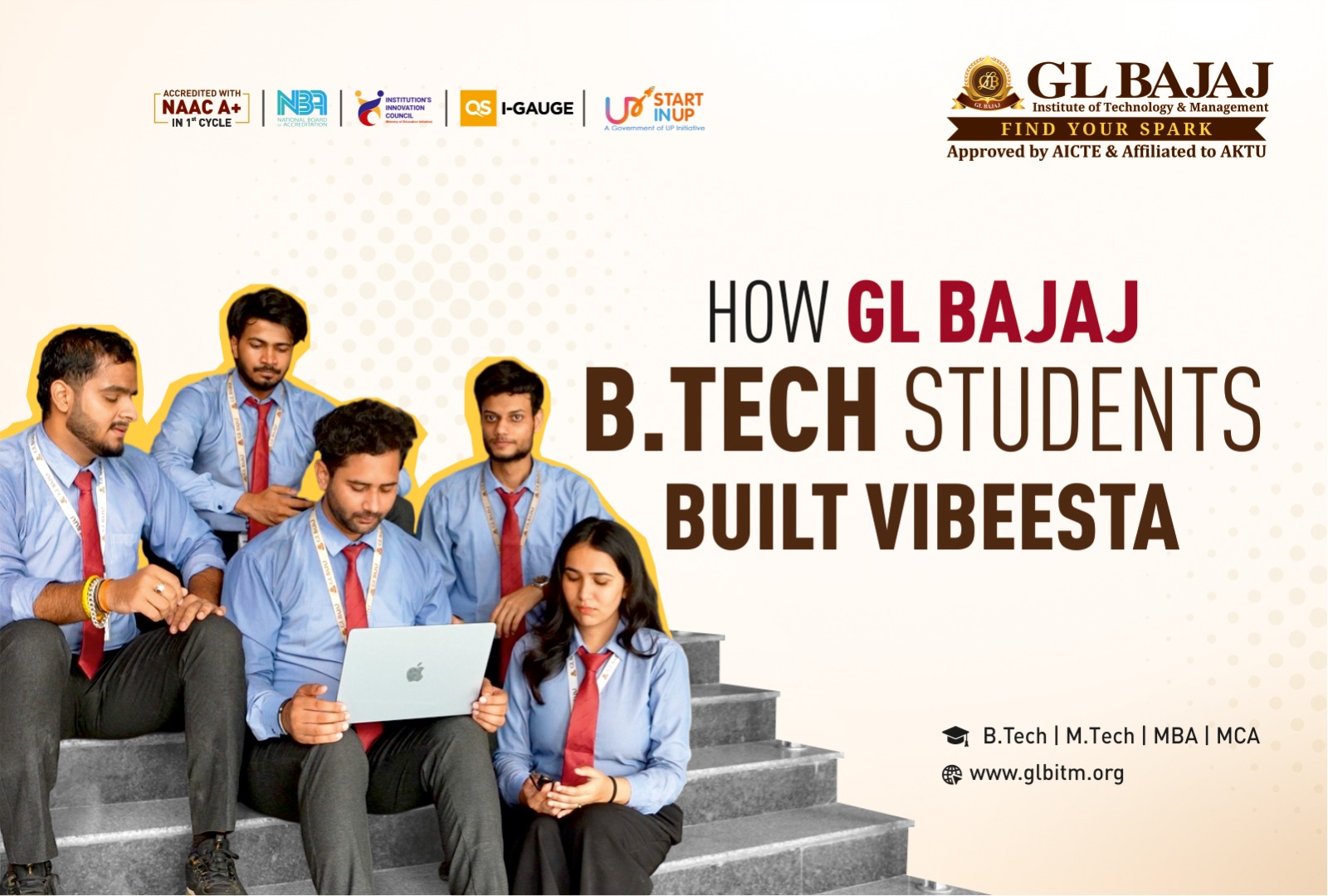
What if missing one college event could lead to a startup?
For five third-year engineering students at GL Bajaj Institute of Technology and Management, a simple problem became the starting point for something much bigger.
A student had missed an event because he did not know about it.
The incident raised a simple question:
“Why didn’t anyone tell me?”
That question led to conversations, presentations, ideathons, product development and, eventually, the launch of Vibeesta, a student-focused social networking platform.
The journey shows how classroom learning can move into real-world problem-solving.
It also highlights how engineering students can use technical knowledge, teamwork and entrepreneurial thinking to build something of their own while still in college.
Four GL Bajaj Students, One Idea, One Big Vision
Vibeesta was developed by a team of four third-year students from different technology-focused engineering backgrounds at GL Bajaj.
The team includes:
- Amit Yadav B.Tech CSE (AI), Founder
- Akshat Pandey B.Tech CSE (AI), Co-Founder
- Vibhor Sharma B.Tech CSE, Co-Founder
- Saksham Sharma B.Tech CSE (Data Science), Co-Founder
- Anshika Gupta B.Tech CSE (AI), Marketing
Although each student has a different role and academic specialisation, they share a common goal: building a platform that can improve the digital experience of students.
Their story is also an example of how students from CSE, Artificial Intelligence and Data Science can work together on a common technology-driven idea.
It All Started With One Simple Question: “Why Didn’t Anyone Tell Me?”
College life is full of activities.
There are technical events, cultural programmes, competitions, clubs, societies, workshops, networking opportunities and student communities.
But information about these activities is often scattered across different groups and platforms.
A student may hear about an event too late. Another may never hear about it at all.
That was the problem that caught the team’s attention.
Instead of treating the missed event as an isolated incident, the students started thinking about the larger issue:
Could there be one digital space where students discover what is happening around them?
That thought became the foundation of Vibeesta.
From a Simple Conversation to a Serious Idea
The idea did not become a startup overnight.
The students first discussed it among themselves.
They tried to understand the problem, identify the people affected by it, and think about what a possible solution could look like.
Soon, they began presenting the concept to the incubation centre at GL Bajaj.
These discussions helped them look at their idea from different angles.
They had to think about questions such as:
- What problem are we actually solving?
- Who faces this problem?
- Why would students use the platform?
- What makes the idea different?
- How could it grow?
- What would students really need?
The more they discussed Vibeesta, the more the idea changed.
And that became an important part of their learning journey.
They Didn’t Just Have an Idea, Took It to the Ideathon Stage
The team eventually participated in college-level ideathons and won two ideathons.
For the students, these competitions were more than awards.
Each presentation gave them a chance to explain their idea to people outside their immediate team.
They had to communicate the problem clearly and defend their proposed solution.
Every question from judges and participants made them think again.
Was the problem important enough?
Would students actually use the platform?
Could the idea work beyond one college?
What could make Vibeesta different?
These conversations helped the team continuously refine its thinking.
Every Pitch Made Vibeesta Better
One of the biggest lessons from their ideathon experience was that an idea does not remain fixed.
With every presentation, the team discovered something that could be improved.
The Vibeesta they eventually developed was not the same as the Vibeesta they had imagined at the beginning.
That process of presenting, receiving feedback, changing and trying again became an important part of their journey.
When a College Idea Started Looking Like a Real Startup
There came a point when Vibeesta moved beyond being a student idea.
With the support and guidance received through GL Bajaj, the team registered its company:
Vibeesta Networking Private Limited
The startup also received recognition through Startup India and StartinUP, according to the team’s account
For the students, this was an important transition.
Until then, Vibeesta had primarily been something they were building as students.
Now, they were building a company.
That brought a different level of responsibility.
The idea needed not only technical development but also a clear purpose, users, communication and long-term direction.
Two Years. Countless Changes. One Product
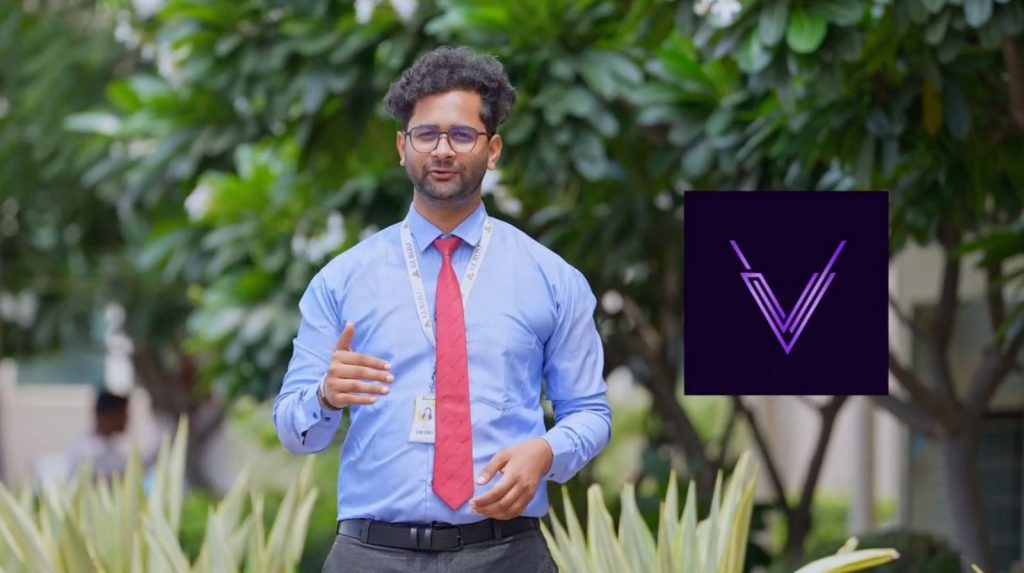
One of the biggest parts of the Vibeesta journey was time.
The team spent around two years developing the concept and product before its launch.
During this period, they discussed, experimented, tested ideas, and made changes.
The students kept returning to one central question:
What does a student actually need?
They also asked:
- What does college life look like digitally?
- What information do students miss?
- How can students discover one another?
- How can students find events?
- How can colleges and communities use the platform?
- How can students participate instead of only scrolling?
These questions influenced the features that eventually became part of Vibeesta.
8 July 2026: The Day Vibeesta Went Live
After nearly two years of development, the team launched the Vibeesta app on 8 July 2026.
Vibeesta is designed as a student-focused social networking platform built around a verified student and alumni community.
The goal is not simply to create another place for students to post content.
Instead, the platform aims to bring different parts of student life together.
That includes content, opinions, events, communities, networking, challenges, college moments and alumni connections.
Inside Vibeesta: 11 Features Built Around Student Life
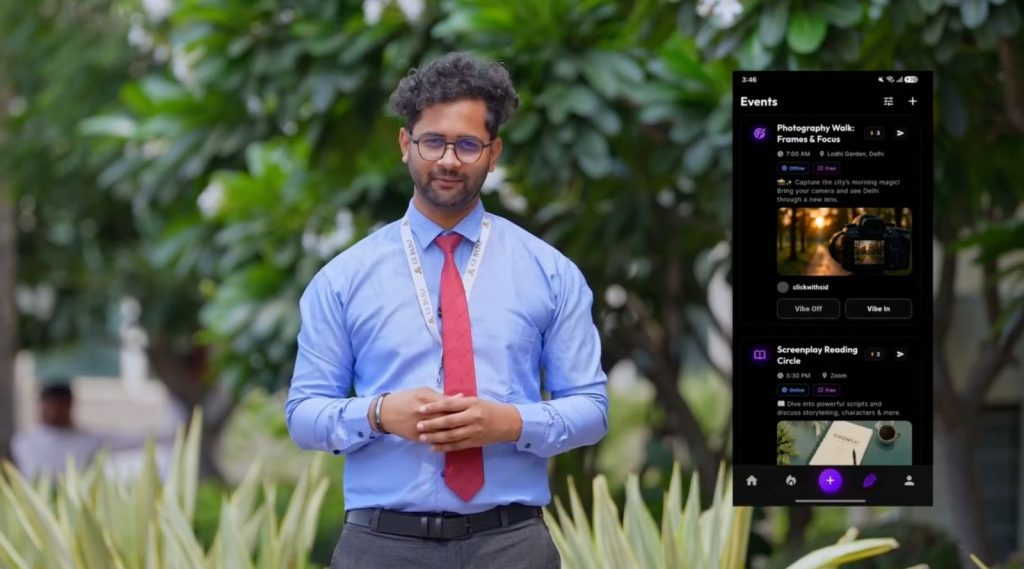
Vibeesta brings student life together through 11 features for opinions, videos, events, networking, communities, challenges, alumni connections, and meaningful digital participation.
1. Hot Opinion: Where Students Can Speak Their Mind
Hot Opinion allows students to share their thoughts, opinions, and perspectives with their peers.
The focus is on conversations around student and campus life rather than only polished social media content.
2. Scrolls: Turning College Moments Into Stories
Scrolls allows students to share college-life moments through vertical videos.
Students can post mini-vlogs, creative content, funny moments, or everyday experiences from campus.
3. Events: So Students Don’t Miss What Matters
Events were one of the problems that inspired Vibeesta.
College clubs and societies can create pages and publish upcoming events.
Students can discover activities taking place at their own college as well as events at other colleges.
The broader goal is simple: help students discover opportunities instead of missing them because they never heard about them.
4. Inter-College Networking: Beyond One Campus
Vibeesta is not limited to students from one college.
The platform allows students to connect with students from other colleges.
This can help them discover new people, communities, events and opportunities beyond their own campus.
5. Communities: Bringing Student Groups Together
Communities allow groups and organisations to create their own spaces.
Students can join communities based on their interests or affiliations.
The idea is to bring fragmented student groups into a more organised digital ecosystem.
6. Multi-Account: Different Profiles, One Ecosystem
Vibeesta allows users to create up to five accounts.
This gives students flexibility to maintain different accounts for different purposes while staying within the same platform.
7. VibeCheck: Share What’s Happening Right Now
Not every moment needs to become a permanent post.
VibeCheck allows students to share instant photos with their college community.
It is designed around quick, current moments from student life.
8. VibeScore: Turning Participation Into a Game
VibeScore adds a gamification element to the platform.
As users participate, create content and receive engagement, their score can increase.
Leaderboards add a competitive element and encourage participation.
9. Challenges: From Scrolling to Participating
Challenges allow users to create challenges and invite others to participate.
Students can participate through opinions, moments, Scrolls and other forms of content.
The idea is to encourage active participation instead of passive consumption.
10. Alumni: Keeping the College Connection Alive
Graduation does not necessarily have to end a student’s connection with the college community.
Through its alumni feature, Vibeesta aims to keep graduates digitally connected with their college ecosystem.
11. Verified Student and Alumni Community
At the centre of Vibeesta is the idea of a community built around students and alumni.
Rather than being a general social network, the platform is designed specifically around the college ecosystem and student identity.
Why Vibeesta Isn’t Trying to Be “Just Another Social Media App”
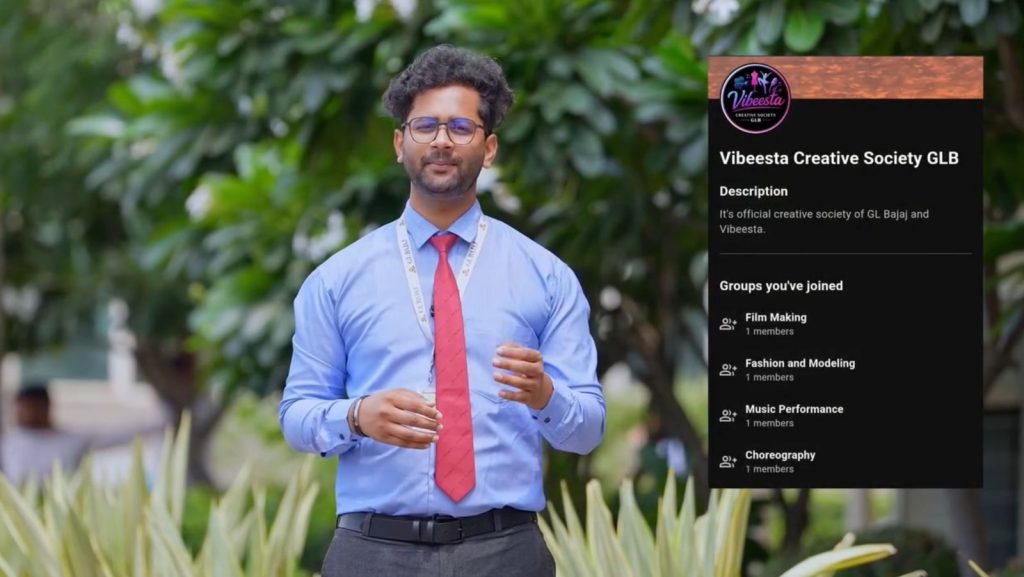
While developing Vibeesta, the team faced an important question:
Why build another social media platform when so many already exist?
The answer came from the problem they were trying to solve.
Existing platforms already serve different purposes.
Students may use one platform for messaging, another for entertainment, another for professional networking and others for content.
The students saw this as a form of digital fragmentation in college life.
A student’s college experience can include:
- Events
- Clubs
- Communities
- Opinions
- Competitions
- Content
- Networking
- College moments
- Alumni connections
Vibeesta aims to bring these different experiences into one student-focused ecosystem.
So, the concept is not simply about adding another social media app.
It is about creating a digital space around student life itself.
From CSE and AI to Data Science: Engineering Skills Meet Entrepreneurship
The Vibeesta team also reflects the diverse skill sets found within modern engineering education.
Three team members are studying CSE with Artificial Intelligence, one is studying CSE, and one is pursuing CSE with Data Science.
These areas provide students with technical foundations in programming, computing, data and emerging technologies.
But building Vibeesta required more than technical knowledge.
The team also needed to think about:
- Users
- Communication
- Product design
- Marketing
- Presentation
- Teamwork
- Problem-solving
- Entrepreneurship
This combination shows why practical exposure can be valuable during an engineering degree.
A student may learn a technical concept in class, but developing a real product creates opportunities to apply that knowledge to an actual problem.
What This Student Startup Story Says About Practical Engineering Education
Engineering education does not have to remain limited to classrooms, assignments and examinations.
Students can also learn by building.
The Vibeesta journey involved:
Identifying a problem → Developing an idea → Presenting it → Receiving feedback → Participating in ideathons → Improving the concept → Registering a company → Developing the product → Launching the platform
Every stage required a different skill.
The experience involved technical thinking, communication, teamwork, creativity and persistence.
For students researching the Best placement engineering college, this is an important point to consider.
Placements are certainly an important part of career planning, but students can also evaluate a college based on opportunities for projects, internships, innovation, competitions, entrepreneurship and practical learning.
B.Tech CSE Admission Is More Than Choosing a Course
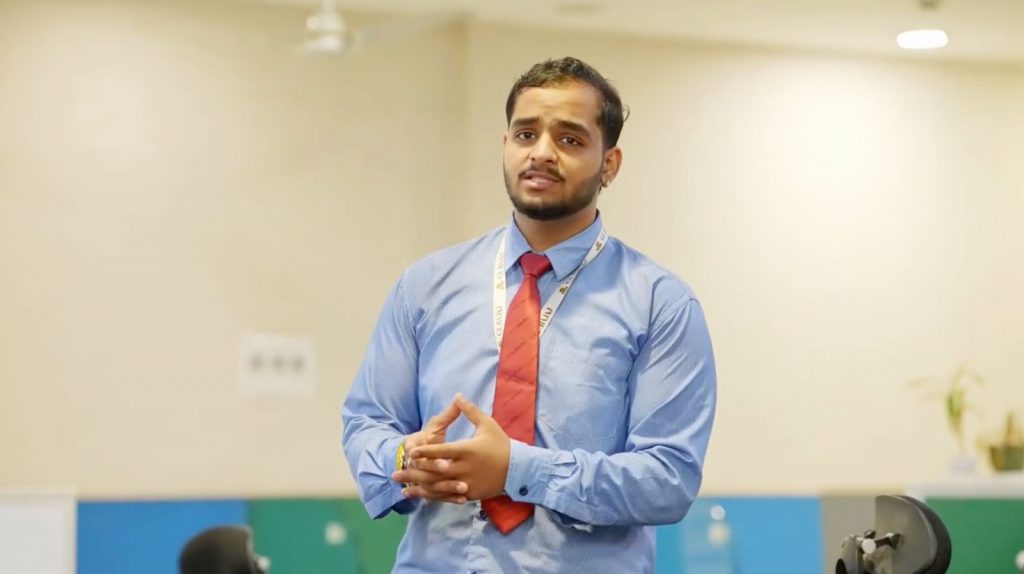
Students researching B.Tech CSE Admission often focus on the syllabus, fees, eligibility and career options.
These factors matter, but the learning environment also deserves attention.
Students can look at whether a programme provides opportunities for:
- Technical projects
- Programming practice
- Innovation
- Competitions
- Industry exposure
- Internships
- Team-based learning
- Problem-solving
The Vibeesta story provides one example of what can happen when students get opportunities to take an idea beyond a classroom discussion.
B.Tech AI Admission: Where Technology Meets Problem-Solving
Artificial Intelligence is becoming an important area of technology education.
Students considering B.Tech AI Admission can look beyond the course name and understand what they will actually learn and apply.
A strong technical foundation can help students develop skills in programming, computing, data and problem-solving.
The Vibeesta team includes three third-year CSE (AI) students, showing how students studying emerging technology areas can also explore entrepreneurship and product development during college.
Importantly, the Vibeesta story is primarily a student innovation story; the platform should not be described as an AI product unless specific technical information from the team confirms that.
Searching for Best Engineering College in Greater Noida? Look Beyond the Classroom
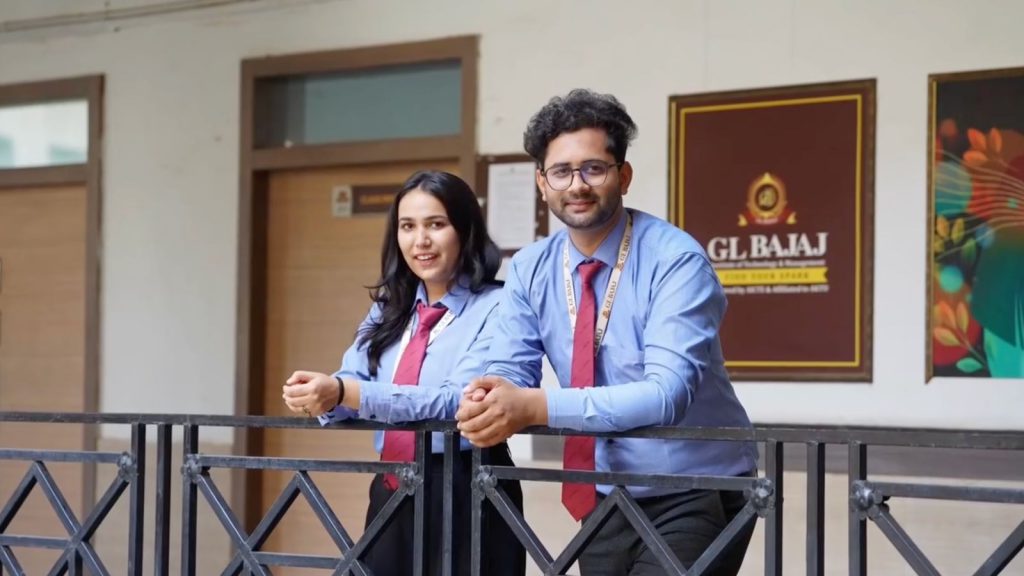
Students comparing the Best Engineering College in Greater Noida can consider more than academic programmes.
A broader evaluation may include:
- Faculty and curriculum
- Infrastructure
- Practical projects
- Technical clubs
- Competitions
- Innovation opportunities
- Industry interaction
- Internship support
- Entrepreneurship opportunities
- Career preparation
A student startup like Vibeesta demonstrates one possible form of practical exposure: identifying a problem and working on a solution over an extended period.
What Should Students Look for in the Best Engineering College in Delhi NCR?
Students searching for the Best Engineering College in Delhi NCR may have different career goals.
Some may want software development. Others may be interested in AI, Data Science, entrepreneurship, research or management.
Therefore, students should compare colleges based on their own goals.
Useful factors can include:
- Academic curriculum: Does it provide relevant technical knowledge?
- Practical learning: Can students work on real projects?
- Industry exposure: Are there opportunities to understand professional environments?
- Innovation ecosystem: Can students participate in competitions and develop ideas?
- Career support: Does the institution provide placement and career preparation?
- Student development: Are communication and teamwork encouraged?
The Vibeesta journey shows why opportunities beyond the classroom can also contribute to a student’s overall engineering experience.
5 Lessons Every Engineering Student Can Learn From Vibeesta
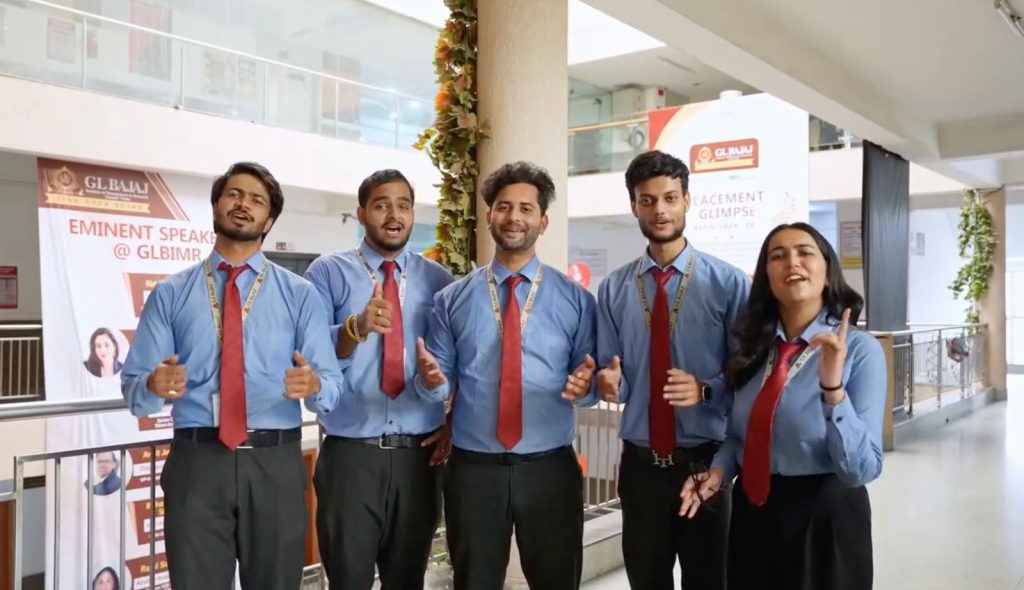
1. Start With a Real Problem
The Vibeesta journey did not begin with a complicated business plan.
It began with a simple student problem.
2. Don’t Be Afraid to Change Your Idea
The product evolved significantly during its development.
Changing an idea after receiving feedback can be a sign of learning, not failure.
3. Feedback Can Make an Idea Stronger
Ideathons and presentations exposed the team to questions they had not considered before.
Those questions helped them improve the concept.
4. Technical Skills Are Only the Beginning
Building a product also requires communication, teamwork, leadership, research and an understanding of users.
5. Start as a Student, Think Like a Builder
The five students did not wait until graduation to start working on their idea.
They began while they were still in their third year.
That mindset can encourage other students to experiment with their own ideas.
The Journey Has Only Just Begun
From a metro conversation to an app launch, the Vibeesta journey has already passed through several stages.
A missed event
↓
A student conversation
↓
An idea
↓
GL Bajaj incubation support
↓
Two ideathon wins
↓
Startup registration
↓
Nearly two years of development
↓
Vibeesta launch on 8 July 2026
But for the team, the launch is not the end.
It is the beginning of another phase of development, learning and experimentation.
There will be new challenges, new users, new feedback and new things to improve.
From “Why Didn’t Anyone Tell Me?” to “Your Story. Your Vibe. Your Community.”
The story of Vibeesta began with a student missing an event.
But the students eventually realised that the issue was much larger.
College life contains thousands of moments and opportunities, events, competitions, clubs, communities, conversations, friendships and creative work.
Students may not always know about them.
Vibeesta is the team’s attempt to create a digital space where students can discover, participate and connect.
More importantly, the journey of these five third-year GL Bajaj students shows that an engineering education can become a starting point for much more than a degree.
An idea can begin with a simple conversation.
A question can become a project.
A project can become a startup.
And a startup can begin with five students who simply decided to ask:
“What if we built a solution?”
Your Story. Your Vibe. Your Community.
